
As pioneers of world-first ideas, we’ve long been proud to sit among the world’s leading inventors, designers, and marketers of juvenile products. For more than three decades, innovation shaped the way our brands approached parenting, not as a set of limitations, but as an opportunity for creative problem solving.
From the very beginning, phil&teds® changed the landscape by creating the world’s first inline buggy, a single that could convert to a double within the same footprint, giving parents a level of freedom they’d never had before. Around the same time, Mountain Buggy® redefined what was possible outdoors, introducing the world’s first all-terrain buggy after founder Phil fashioned a seat onto his golf trundler in 1992.
As the years passed, technology evolved and design aesthetics shifted, but the values that defined the company never did. Innovation, creativity, and practical problem-solving remained at the heart of everything we created.
World Creativity and Innovation Day offered an opportunity not only to reflect on those ideas, but to recognise how creativity can be used to make a genuine difference. For us, innovation was never just about products, it was about improving lives, supporting families, and strengthening communities around the world.
Buggies for good.
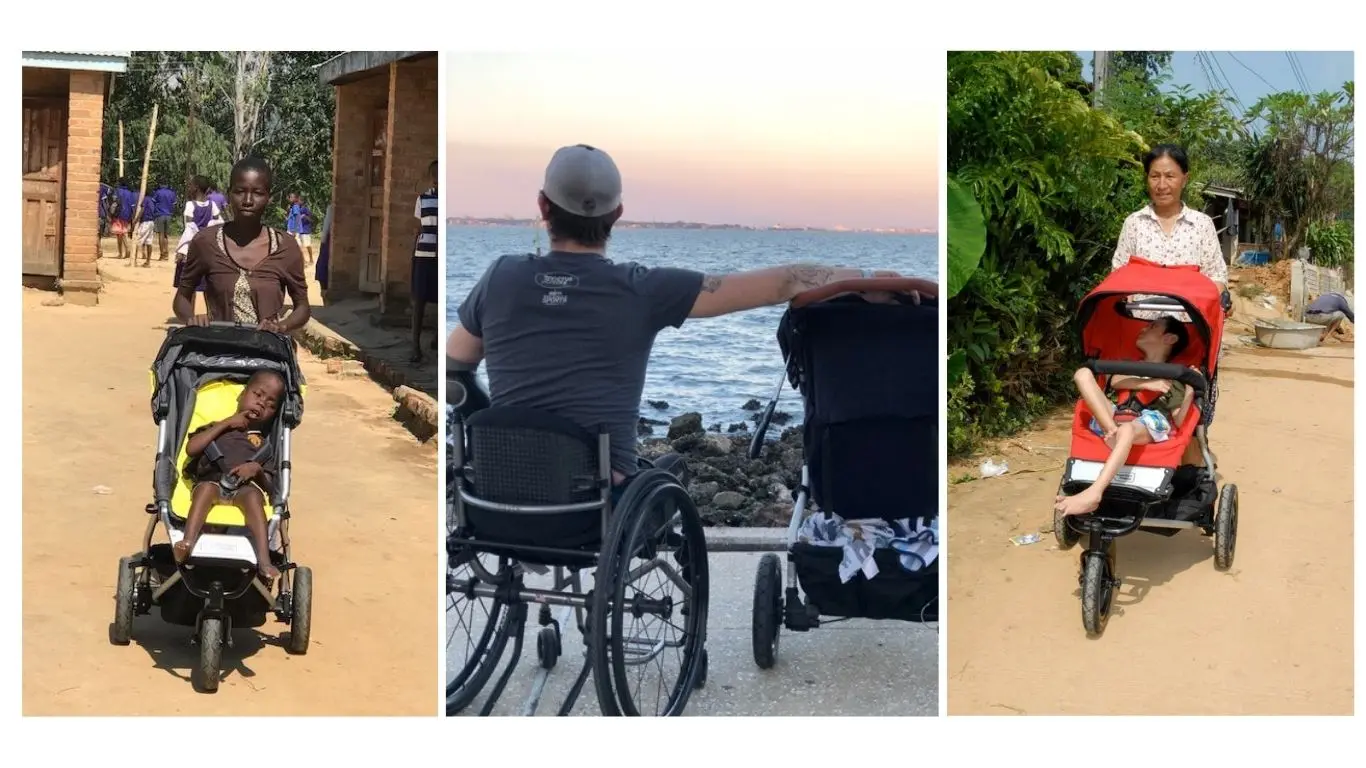
Launched in 2009, our charitable initiative Buggies for Good was built on a simple idea: give back where it matters most. Through the collection of sample products, seconds stock, and pre-loved buggies donated by our phil&teds®
and Mountain Buggy®
community, we worked to support families, organisations, and communities in need.
Each buggy was carefully serviced and given a full warrant of fitness before being rehomed either directly to families or to organisations working on the frontline with vulnerable communities.
The impact of a donated buggy often went far beyond transport. It supported parental wellbeing, helped children’s development, and enabled families to attend medical appointments, post-natal health checks, playgroups, and everyday outings. For community organisations, buggies became a practical tool to build trust and create meaningful engagement with the families they supported.
Thanks to the durability and adaptability of our designs, buggies were also used in unique and powerful ways, carrying oxygen tanks, ventilator equipment, or providing mobility support for older children as an alternative to traditional wheelchairs.
By the time the initiative concluded, more than 500 products had been rehomed. Organisations such as Bear Cottage Children’s Hospice in Australia, an orphanage in South Africa, Alder Hey Children’s Hospital in Liverpool, and Ronald McDonald House New Zealand were able to better support the families in their care.
Surgical Research Trust
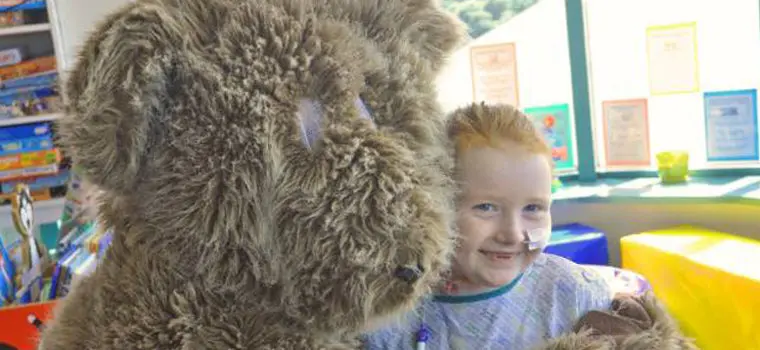
Our commitment to making a difference extended into healthcare and research. Through our partnership with the Surgical Research Trust, we supported investigations ranging from improved anaesthetic techniques to the evaluation of paediatric trauma scoring.
Over time, more than $120,000 worth of medical research was funded, helping Kiwi researchers advance both medical and surgical knowledge through carefully selected projects.
As part of this partnership, thousands of phil&teddy bears were donated to children undergoing surgery across New Zealand. These bears became more than a comfort item — they were used by medical teams to help explain procedures, reduce anxiety, and bring moments of reassurance during an otherwise challenging time. Each child received an adoption certificate, allowing them to name their bear and take it home as they focused on recovery.
From buggy donations to medical research, these initiatives reflected what mattered most to us: using creativity and innovation to support families, strengthen communities, and help make the world a better place.